

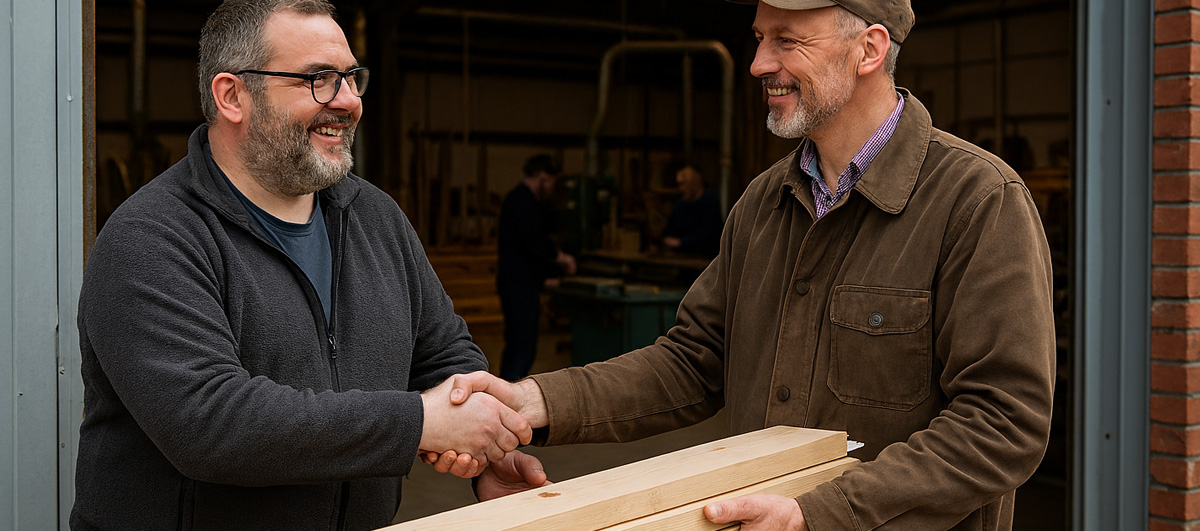
When middle‑income households thrive, small businesses flourish—and together they form the quiet backbone of a healthy, resilient Wales. In this MMP, we explore how ordinary families and local firms lift each other through everyday spending, steady jobs, and a culture of trust that turns small acts into durable prosperity.
There’s a quiet kind of heroism that rarely makes headlines: the café owner who knows three generations by name, the electrician who mentors an apprentice, the parent who coaches on Saturdays. Look closely and you’ll see a pattern—middle‑income households and small businesses hold each other up. They are not garnish on prosperity; they’re the recipe.
What We Mean by “Middle‑Income Households”
For this discussion, we define middle‑income households as those earning between X% and Y% above the agreed minimum living wage. Grounding the definition in the local cost of a dignified life keeps the focus on what really matters: enough headroom to save a little, shop locally, and plan beyond the next bill.
Why the Middle Matters
A society isn’t strongest at the extremes; it’s strongest in the thick middle where most people live their lives. Households with a bit of slack make decisions that multiply through the local economy—creating stable, shock‑resistant demand for local services.
- 🧺 Predictable spending: groceries, childcare, haircuts, repairs, gigs, birthdays.
- 💡 Modest investment: home energy upgrades, better tools, a short course.
- 🤝 Community participation: PTA, youth clubs, local committees.
How Small Business Multiplies the Middle
Local firms are opportunity engines—not just jobs, but trajectories. They circulate value nearby, build skills across roles, and convert pride in craft into dependable service.
- 🎓 First rungs & second chances: school leavers, career switchers, returners.
- 🔁 Local circulation: wages, suppliers, sponsorships stay in the community.
- 🧰 Skill compounding: small teams = many hats = adaptive capacity.
- 🫶 Dignity by proximity: “I made this” reduces churn and raises standards.
A Welsh Lens: “That’s Just What You Do”
Wales’ lived culture of care—fairness, inclusion, looking out for each other—amplifies the loop between families and firms. Trust lowers the hidden taxes of life (excess comparison, returns, “gotcha” fees) and redirects that energy into value creation.
- 🥩 Fair quality, fair price: confidence in local craft.
- 🧑🔧 Reliability: when the boiler fails on a Sunday, someone still shows up.
- 🧑🏫 Care for learners: apprentices are challenged and supported, not left to drift.
Designing for the Virtuous Cycle
If the middle and small business lift each other, design systems that strengthen the cycle.
- 🎯 Anchor on the living wage: publish the local middle‑income band each year.
- 👩🏫 Make capability a public good: “train‑the‑trainer” programs build continuity.
- 🤖 Choose humane tech: AI that de‑frictions the day and preserves voice.
- 🏛️ Procure local when credible: start close where quality and cost align.
- 🌱 Community dividends: small, visible reinvestments that raise the talent floor.
What AI Changes—and What It Shouldn’t
AI can centralise advantage or make small businesses feel bigger on the inside. Choose tools that capture know‑how, prompt next steps, and sound like you because they’re trained on you. Use AI for decision support, not decision replacement—anchored in local norms and human judgement.
- 🧠 Knowledge continuity: your pricing, service, and troubleshooting—documented.
- 💬 Customer intimacy at scale: preferences remembered, tone preserved.
- 🧭 Better choices: options surfaced, trade‑offs clear, values intact.
What Gets in the Way (and Fixes That Work)
- 📑 Administrative drag → consolidate forms; pre‑fill; design to the “10‑minute rule.”
- 🏜️ Training deserts → evening/weekend quiv modules that add up without derailing work.
- 💸 Cashflow cliffs → fast‑pay frameworks (7‑day discounts; penalties for 60‑day drift).
- 📈 Myth of “scale or bust” → celebrate craft scale; measure good jobs and households sustained.
Closing Reflection: Build the Middle on Purpose
Prosperity is not the ceiling you touch—it’s the floor you stand on together. Strengthen the middle on purpose: tie success to how many households stand X%–Y% above a living wage and how many small firms can say, hand on heart, “We are ourselves on a good day—more often than not.”
Wales doesn’t need to impersonate anyone to do this. Steady, communal, kind, and quietly excellent will do nicely.